


- About Cedre
About Cedre
International experts in accidental water pollution, we have five main activities: response support, contingency planning, training, analysis and testing and research. We are also a recognized resource centre.
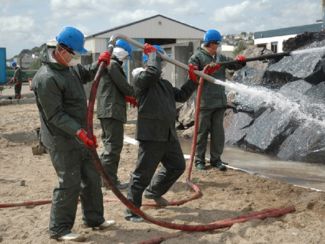
Cedre in short
With its expertise in accidental water pollution, Cedre has been operating in France and abroad for nearly 40 years. Its multidisciplinary team is composed of 50 technicians, engineers and scientists.
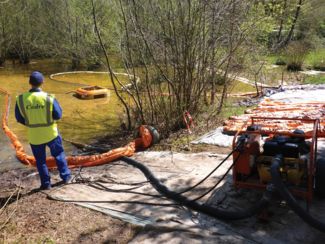
Missions and values
Our fundamental purpose is to provide advice and expertise to French and foreign authorities and private businesses in charge of spill response.
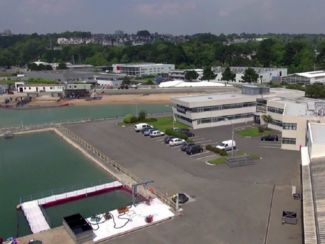
Facilities and equipment
Here at Cedre, we have an array of original, including some unique, facilities and equipment to carry out our various activities.
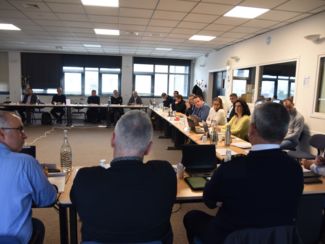
Governance
As a French State-approved association with a public service mission, Cedre is governed by executive bodies comprising representatives of State administrations, local authorities, public research establishments and private stakeholders.

Certifications and accreditations
Cedre is certified IISO 9001:2015 (SGS-ICS), "Quality management systems", and ISO 14001:2015 (SGS-ICS), "Environmental management systems" for its full range of activities. We also hold various accreditations and authorisations on national and international levels.
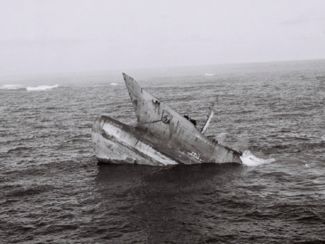
Our history
Punctuated by major spills and disasters, our nearly 40-year history is somewhat reminiscent of a very dark novel. For our team, it is a passionate adventure in which they play an active part in preserving the environment while integrating aspects inherent to economic development.